Emergency Water Leak Repair in Houston TX: What to Do
Discover how to handle emergency water leaks in Houston TX. Learn immediate damage control, safe DIY steps, hidden leak clues, repair choices, and cost factors.
Immediate Action Steps for Emergency Water Leaks
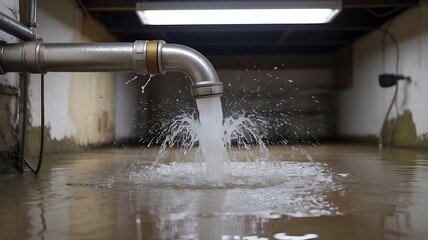
When a sudden water leak strikes a property, immediate action prevents severe structural damage, ruined flooring, and hazardous mold growth. Whether you are dealing with a gushing supply line, a sudden ceiling stain, or unexplained pooling water, knowing how to respond calmly and methodically is critical.
Your very first step during a major leak is locating and shutting off the main water supply valve. In many residential properties, this valve is located near the front perimeter wall, inside a utility room, or outdoors in a buried meter box near the street. Every adult occupant in your home or business should know where this valve is located and how to turn it. For apartment and condominium residents, individual shutoffs are typically found beneath sinks or near water heaters, but building-wide shutoffs may require management or maintenance intervention.
Once the water is off, open downstream faucets to drain remaining pressure from the lines. If water is near electrical outlets, appliances, or service panels, turn off the breaker for that zone immediately to prevent electrical shock. Only after the water source is secured and safety risks are mitigated should you begin assessing the damage and determining your next steps.
Understanding the Problem: Why Leaks Happen in Houston
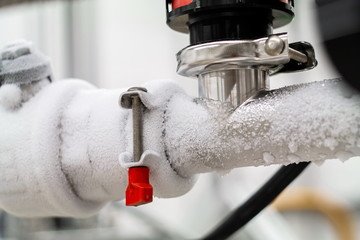
Water leaks rarely happen without a cause. Understanding the underlying mechanics helps you prevent future failures. In the humid Gulf Coast climate of Houston, Texas, plumbing systems experience distinct environmental stressors. Long periods of intense summer heat put thermal stress on pipes, while unexpected winter freeze events can cause water inside uninsulated pipes to expand and rupture metal or plastic lines.
Furthermore, local soil conditions and ground movement can exert physical stress on underground water service lines and pipes running beneath concrete slab foundations. Over decades, metal pipes corrode from the inside out due to water chemistry, while plastic fittings can become brittle. Understanding whether your leak stems from a sudden catastrophic failure, such as a burst supply pipe, or a slow hidden defect, such as a pinhole leak under a slab, dictates how a professional will approach the diagnosis.
Symptoms and Clues That Matter
A visible puddle is the most obvious sign of a leak, but many emergencies announce themselves through subtle clues. Recognizing these symptoms helps distinguish a localized fixture failure from a dangerous main supply or hidden pipe breach.
- Unexplained Water Meter Movement: If all fixtures and appliances are turned off, yet the small dial or flow indicator on your water meter is spinning, active water loss is occurring somewhere on your property.
- Sudden Drop in Water Pressure: A localized pressure drop points to a clogged aerator or a single failing valve, whereas a whole-house pressure drop often indicates a major supply leak or a failing pressure regulator.
- Sound of Running Water: Hearing water hissing or rushing inside walls, floors, or ceilings when no taps are open is a classic sign of a concealed pipe breach.
- Warm Spots on Floors: A localized warm patch on a concrete slab floor often signals a leaking hot water supply line running beneath the foundation.
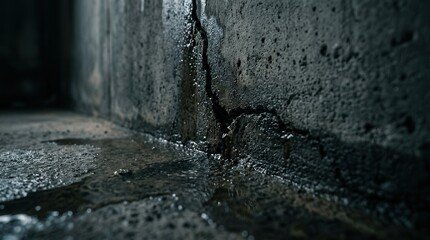
- Musty Odors and Wall Discoloration: Peeling paint, warped baseboards, or damp drywall usually indicate that water has been leaking slowly behind the structure for days or weeks.
Safe DIY Checks and Reasonable Actions
While major plumbing emergencies require professional intervention, homeowners can safely perform several initial checks to gather valuable diagnostic information before a technician arrives.
- Inspect Visible Connections: Look under sinks, around toilets, and behind washing machines for active dripping, corrosion, or dampness on flexible supply lines.
- Test the Main Meter: Verify meter movement with all fixtures closed to confirm whether an active leak exists inside or outside the building envelope.
- Isolate Fixtures: Use individual shutoff valves beneath sinks or behind toilets to isolate a leaking component without shutting off water to the entire property.
- Document the Area: Take clear photographs and notes of the affected areas, visible water stains, and wet flooring for your records and potential insurance claims.
What DIY Actions Make Problems Worse
Attempting incorrect DIY repairs during an active plumbing emergency can easily escalate a minor issue into a catastrophic property loss. Never attempt the following:
- Using Duct Tape or Patch Kits on Pressurized Pipes: Improvised rubber wraps, tape, or clamping products cannot withstand continuous home water pressure and will eventually blow out, causing sudden flooding.
- Over-Tightening Threaded Fittings: Forcing a leaking metal or plastic fitting past its natural stopping point often cracks the underlying connector or strips the threads, worsening the leak.
- Ignoring Electrical Hazards: Never touch wiring, switches, or circuit breakers while standing in standing water.
- Using Chemical Drain Openers for Leak Symptoms: Chemical products do nothing to repair broken pipes or loose supply connections and can cause severe chemical burns if pipes must be cut or handled by a technician.
Hidden Causes That Are Frequently Overlooked
When professional plumbers evaluate complex or recurring leaks, they look beyond the obvious wet spot. Several hidden factors frequently complicate water leak repairs:
The visible location of water is rarely the exact source of the leak. Water follows gravity and tracks along framing members, subfloors, and pipe exteriors, traveling several feet away from the actual pipe breach before emerging. Furthermore, condensation on cold water supply lines during periods of high indoor humidity is frequently mistaken for an actual plumbing leak.
Another overlooked issue is pressure spikes. Municipal water supply pressures can fluctuate, and without a properly functioning thermal expansion tank or pressure-reducing valve, high pressure places constant stress on joints and aging pipe walls, leading to repeated failures in the same system.
How Professionals Diagnose Emergency Leaks
A professional plumbing diagnosis goes far beyond visual inspection. When an emergency call comes in, technicians use specialized tools to pinpoint the exact failure without tearing apart unnecessary walls or flooring.
Electronic acoustic leak detectors listen for the specific frequency of water escaping under pressure through a crack or pinhole. Thermal imaging cameras detect temperature differentials behind walls and beneath flooring where warm or cool water is altering surface temperatures. For suspected underground or under-slab failures, isolated pressure testing is performed on individual water lines to confirm which specific run is losing pressure.
Repair and Replacement Options
Once the leak source is located, the appropriate repair strategy depends on pipe material, age, accessibility, and the condition of the surrounding plumbing infrastructure.
- Spot Repair (Section Replacement): When a localized pipe section fails due to a physical defect or a freeze crack, a plumber cuts out the damaged portion and installs a new section using appropriate couplings and pipe material.
- PEX Repiping or Bypass: If older metallic pipes show widespread corrosion, pitting, or multiple failures, running a new PEX supply line to bypass the compromised section is often more reliable than endless spot repairs.
- Under-Slab Tunneling or Routing: For leaks located beneath a concrete foundation, plumbers may perform localized tunneling from the exterior to access and repair the pipe without breaking interior flooring, or route new overhead lines through the attic.
Understanding Cost and Price Factors
Emergency leak repair costs vary widely based on several distinct operational factors rather than a flat-rate fee. Understanding these variables helps property owners evaluate service estimates realistically.
The primary cost driver is accessibility. A leak exposed in an open utility room or beneath an accessible sink requires minimal labor to reach. Conversely, a concealed leak behind custom tile work, inside a concrete slab, or deep within a multi-story wall requires specialized access, structural cutting, and subsequent restoration work.
Other cost factors include emergency dispatch timing (after-hours or holiday service), the pipe material involved (copper, PEX, galvanized steel, or cast iron), the need for specialized electronic leak detection equipment, and whether the main shutoff valve itself is failing and requires replacement before the repair can begin. A complete professional estimate should itemize diagnostic fees, labor, materials, and any necessary restoration or access work.
Warning Signs Requiring Prompt Attention
Certain indicators demand immediate professional intervention rather than waiting. Never delay action if you notice active water pooling near electrical service panels, buckling hardwood floors, sagging drywall ceilings, sewage mixing with water backup, or a sudden, unexplained spike in your monthly water bill that suggests a hidden continuous leak.
Frequently Asked Questions
How can I tell if my high water bill is caused by a hidden leak?
Turn off all indoor and outdoor water fixtures, then check your water meter. If the flow indicator or leak triangle is moving, water is escaping somewhere. A silent toilet flapper or a slow pinhole leak underground are the most common culprits behind unexplained bill increases.
Can high water pressure cause pipes to leak?
Yes. Municipal water pressures exceeding 80 pounds per square inch place continuous excessive stress on supply lines, joints, faucets, and water heater tanks. Installing or adjusting a pressure-reducing valve helps protect your entire plumbing system.
Is it safe to turn off my home's main water valve myself?
Generally, yes, provided the valve is in good working order. However, older gate valves can become brittle or stuck. If a main valve feels excessively stiff or begins leaking from the stem during operation, avoid forcing it and contact a professional immediately.
Why does my concrete slab floor feel warm in one spot?
A warm patch on a concrete floor typically indicates that a hot water supply line running beneath the slab has developed a leak, transferring heat directly into the concrete and flooring material above it.
What should I ask a plumber before approving major leak repair work?
Ask whether the repair is a permanent fix or a temporary patch, what access points will be required, whether wall or floor restoration is included in the estimate, and if the surrounding pipe material shows general age-related degradation that might lead to future leaks.