When Is a Plumbing Leak an Emergency in Houston, TX?
Learn when a residential or commercial plumbing leak becomes an immediate emergency in Houston, what signs to watch for, and how to minimize property damage.
Understanding When a Plumbing Leak Becomes an Urgent Threat
Not every plumbing leak requires a midnight phone call to a plumber, but waiting too long can turn a minor repair into a major structural disaster. In residential and commercial properties, understanding the tipping point between a manageable maintenance issue and a true plumbing emergency can prevent extensive water damage, mold growth, and costly property repairs.
A leak transitions from an inconvenience into an emergency the moment it threatens the structural integrity of a building, creates a severe health or electrical hazard, or compromises the continuous supply of essential water. Recognizing these critical thresholds helps property owners act decisively when disaster strikes.
Key Indicators of a Plumbing Leak Emergency
Evaluating the severity of a leak requires looking past the mere presence of water and assessing its volume, location, and behavior. Several distinct conditions elevate a standard water leak into an urgent situation that demands immediate action.
Rapid Volume and Uncontrollable Flow
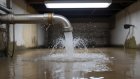
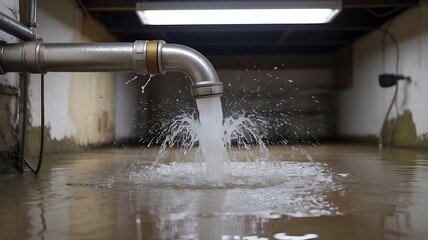
Any leak where water is actively gushing, spraying, or flooding a room qualifies as an immediate emergency. If a supply line snaps, a water heater tank ruptures, or a main pipe splits, thousands of gallons can discharge in a short time. In these scenarios, the primary goal is not diagnosing the root cause immediately, but locating the main water shutoff valve to stop the flow before ceilings collapse or flooring warps beyond salvage.
Proximity to Electrical Systems
Water and electricity create a dangerous combination. When a leak occurs inside walls, ceilings, or utility rooms where it contacts electrical panels, outlets, light fixtures, or appliance wiring, it instantly becomes a high-priority safety emergency. Shutting off power to the affected area at the breaker box is just as critical as stopping the water flow.Sewage Backup and Contaminated Water
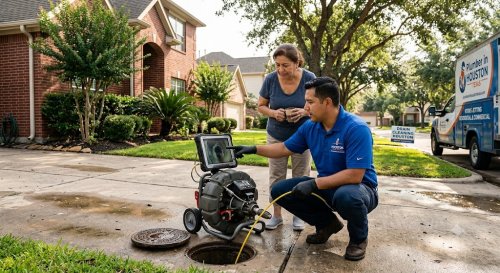
If a leak involves wastewater or a backed-up sewer line, the health risks escalate rapidly. Blackwater or graywater leaks under sinks, around toilets, or up through floor drains introduce harmful bacteria, pathogens, and toxic waste into living or working spaces. These situations require immediate containment, professional extraction, and specialized disinfection.
Slab Leaks and Structural Threat
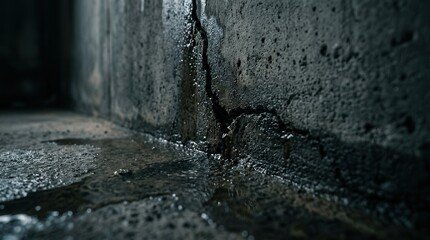
In properties built on concrete foundations, pressurized supply lines running underneath the slab can develop pinhole leaks. While a slow drip may not flood the floor immediately, continuous pressurized water erodes sub-base soils, shifts foundation slabs, and triggers warping in wood flooring or cracking in tile. When doors start sticking, baseboards separate, or unexplained warm spots appear on the floor, the leak has progressed to a structural emergency requiring specialized leak detection.
Houston-Specific Environmental Factors
Local environmental conditions can influence how quickly a leak escalates. In Houston’s hot, humid climate, trapped moisture behind drywall or beneath flooring creates an ideal breeding ground for mold and mildew within 24 to 48 hours. Furthermore, older neighborhoods with aging infrastructure may experience fluctuating municipal water pressure, which can stress brittle pipe joints and turn minor weeping connections into sudden blowouts.
During severe weather events or heavy tropical downpours, exterior drainage challenges can compound indoor plumbing failures. If storm runoff surrounds the foundation or backs up into private sewer laterals, standard leaks can quickly escalate because the surrounding ground is already saturated and unable to absorb excess water.
Safe Immediate Actions for Homeowners
When an active leak is discovered, taking calm and deliberate steps can significantly reduce overall repair and restoration expenses.
- Locate the Main Shutoff: Ensure everyone in the household or business knows where the main water shutoff valve is located and how to operate it quickly.
- Relieve Pressure: If a specific fixture is leaking uncontrollably, turn off its dedicated angle stop valve rather than shutting off water to the entire building, if possible.
- Protect Belongings: Move furniture, rugs, electronics, and stored items away from standing water to prevent secondary damage.
- Document the Damage: Take clear photographs or videos of the active leak and resulting water accumulation for insurance and repair documentation.
What homeowners should never attempt during a major leak includes trying to patch a high-pressure burst pipe with duct tape, working on electrical components near standing water, or using chemical drain treatments when a pipe has structurally failed.
Professional Diagnosis and Diagnostic Limitations
When a professional arrives to address a suspected leak, they utilize specialized tools rather than relying on guesswork. Thermal imaging cameras can detect temperature differentials behind walls caused by hidden moisture. Electronic acoustic listening devices allow technicians to pinpoint the exact frequency of water escaping under slabs or deep within walls.
However, diagnostics have limitations. A camera or listening device can reveal where water is escaping, but it cannot always determine why the pipe failed initially. Was it chemical corrosion, excessive water pressure, poor installation, or ground shifting? Uncovering the root cause often requires visual inspection once access points are opened.
Repair, Partial Replacement, and Full Solutions
The chosen repair method depends entirely on the location, pipe material, and overall condition of the plumbing system.
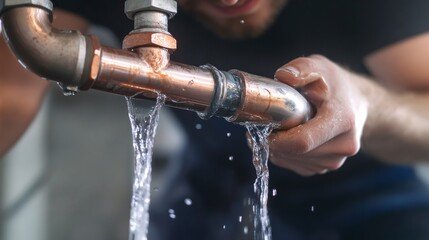
- Spot Repair: Replacing a small, damaged section of copper or PEX pipe using couplings is suitable for isolated, sudden failures on otherwise healthy lines.
- Trenchless or Localized Options: For hidden leaks under slabs, epoxy pipe lining or directional routing may bypass the damaged underground section without requiring extensive floor excavation.
- Whole-House Repiping: If a property features aging, heavily corroded galvanized steel or polybutylene pipes that fail repeatedly in different locations, replacing the entire supply network is often more cost-effective than endless spot repairs.
What Drives Plumbing Repair and Emergency Costs?
Plumbing emergency pricing reflects several technical variables rather than arbitrary charges. Key factors include:
- Accessibility: A leak located in an open utility room is faster and cheaper to fix than one buried under a concrete slab or hidden inside a finished structural wall.
- Timing: Emergency calls dispatched late at night, during weekends, or throughout major holidays involve specialized labor scheduling.
- Material and Scope: Working with older, obsolete pipe materials requires transitional fittings and extra labor compared to modern PEX or copper piping.
- Restoration Requirements: Drywall cutting, concrete breaking, and flooring replacement are often separate from the actual plumbing repair, though some comprehensive providers handle both.
Before approving major work, property owners should ask whether the repair addresses only the symptom or the root cause, what warranties apply to the labor and materials, and whether permits are required for major line replacements.
Frequently Asked Questions
- How can I tell if my water meter indicates a hidden leak? Turn off all indoor and outdoor faucets and water-using appliances. Check the water meter dial; if the low-flow indicator triangle or sweep hand is moving, water is escaping somewhere between the meter and your fixtures.
- Can a dripping faucet become an emergency? Rarely. A dripping faucet wastes water and increases utility bills, but it is a maintenance issue rather than an emergency unless the shutoff valve fails completely and refuses to close.
- Should I turn off my water heater during a major leak? Yes. If a hot water supply line bursts or the water heater tank itself leaks extensively, shut off the cold water supply to the unit and turn off the gas valve or electrical breaker to prevent heating an empty tank and causing a burnout or fire hazard.
- Why does my water pressure drop suddenly right before a leak appears? A sudden drop in pressure can indicate that a major supply pipe has fractured underground or within a wall, allowing water to escape freely rather than reaching your fixtures.
- Are slab leaks covered by homeowners insurance? Coverage varies widely by policy and carrier. While standard policies often cover the resulting water damage to structure and flooring, the cost of accessing and repairing the actual pipe itself may or may not be included. Check your specific policy details.