Burst Pipe Repair in Houston TX: Immediate Steps & Guide
Discover immediate steps for burst pipe repair in Houston TX. Learn how to shut off water, prevent home damage, evaluate repairs, and avoid common mistakes.
Immediate Damage Control for a Burst Pipe
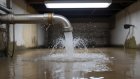
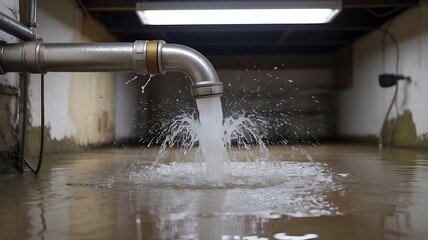
When a water pipe ruptures inside a home, every second counts. Hundreds of gallons of water can flood living spaces, saturate drywall, warp flooring, and compromise structural framing in a very short window. If you suspect or witness a pipe burst, immediate action is required to minimize property damage before you do anything else.
The absolute first step is locating and closing the main water shutoff valve. Every Houston homeowner should know where this valve is located long before an emergency occurs. Depending on the property, the main shutoff may be inside a utility room, near the water heater, in a garage wall recess, or outside near the property perimeter inside a subterranean meter box. If you cannot find your indoor valve, use a specialized meter key to turn off the water at the street-side utility meter box.
Once the main water supply is secured, open the lowest faucets in the house to drain out remaining pressure and standing water trapped in the lines. If the rupture occurred near electrical outlets, appliances, or a breaker panel, turn off the electricity to that area immediately at the main electrical breaker box to prevent severe shock hazards. Never stand in standing water while operating electrical panels.
Understanding Why Pipes Burst in Houston
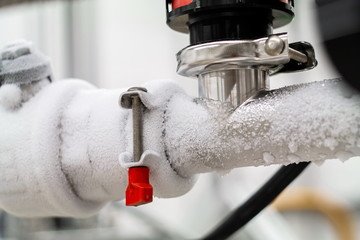
Pipes rupture when internal pressure exceeds the structural strength of the pipe material. While catastrophic failures are commonly associated with severe winter freezes that cause water to expand inside uninsulated lines, sudden bursts can also stem from chemical corrosion, age-related material fatigue, excessively high municipal water pressure, or physical ground movement.
In the Houston area, plumbing systems face unique environmental stresses. While extended sub-freezing weather is infrequent, sudden hard freezes can catch homeowners off guard, particularly when outdoor hose bibs, irrigation supply lines, or pipes located in unconditioned exterior walls and unsealed crawl spaces lack adequate insulation. Conversely, shifting clay soils during prolonged drought cycles followed by heavy Gulf Coast downpours can place mechanical stress on underground service lines and building entry points, occasionally resulting in sheared or fractured pipes beneath slabs or yards.
Safe Homeowner Checks and Low-Risk Diagnostics
Before professional help arrives, homeowners can safely perform several visual checks to assess the situation and gather valuable details:
- Trace the water source: Determine whether the water is actively spraying from a visible pipe or slowly weeping behind a wall surface.
- Check fixture isolation: Test individual angle stops under sinks or behind toilets to see if local shutoff valves can isolate a specific branch line without shutting down the entire home.
- Monitor the water meter: If you suspect a hidden burst pipe, check the leak indicator triangle or dial on your water meter. If the indicator is spinning while all fixtures are off, water is escaping somewhere in the system.
- Document the damage: Take clear photographs and videos of the affected areas, saturated materials, and the failed pipe section for insurance and repair records.
Never attempt to wrap tape, apply rubber patches, or use epoxy putty on a high-pressure main supply line burst under active household pressure. Temporary consumer patches are engineered for minor pinhole leaks and will almost certainly blow out under full water pressure, resulting in secondary flooding.
Hidden Professional Insights into Pipe Failures
Experienced plumbing professionals look beyond the obvious puddle to understand why a pipe failed. The visible location where water emerges is rarely the exact point of the structural failure; water travels along the path of least resistance, running down framing members, subfloors, and electrical conduits before finally pooling in a visible location.
Furthermore, a single burst pipe can sometimes signal a systemic issue. For instance, if a copper pipe splits due to pinhole pitting caused by aggressive water chemistry or internal turbulent flow, neighboring sections of pipe may be equally compromised. Similarly, repeated failures in different areas of a home often point toward unregulated high water pressure coming from the municipal supply, which can be easily verified using a simple pressure gauge attached to an exterior hose bib.
Professional Diagnosis and Repair Options
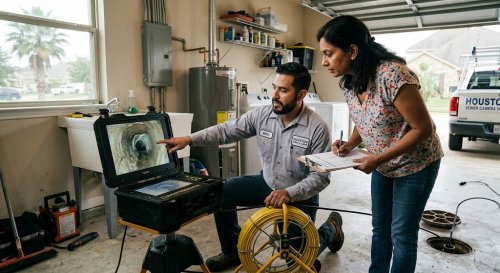
When a licensed plumber arrives to address a burst pipe, they utilize specialized equipment to evaluate the full extent of the damage. Acoustic listening devices and thermal imaging cameras are frequently deployed to locate hidden moisture behind finished walls or beneath concrete slabs without causing unnecessary destructive exploratory demolition.
Depending on the location, pipe material, and age of the plumbing system, several repair paths may be available:
- Spot Repair (Section Replacement): If the failure is isolated to a specific, accessible section of pipe—such as in an open utility room, attic, or crawl space—the damaged segment can be cut out and replaced using modern piping materials like PEX or copper with secure compression or soldered fittings.
- Pipelining (Trenchless Solutions): For buried water service lines or underground sewer laterals, trenchless methods may allow technicians to rehabilitate the damaged pipe internally without excavating driveways, landscaping, or foundational concrete.
- Repiping: If a home features aging, heavily corroded galvanized steel or polybutylene piping that experiences frequent failures, a partial or whole-house repipe is often recommended to prevent recurring emergencies.
A full system replacement is rarely necessary for a single freeze-related split, but if the existing infrastructure shows widespread degradation, upgrading the affected lines provides long-term reliability.
Factors That Influence Repair and Restoration Costs
Property owners often wonder why plumbing estimates for burst pipe repairs vary significantly. Several practical factors dictate the overall investment required:
- Accessibility: A pipe bursting in an exposed ceiling or crawl space is straightforward to access. Conversely, a pipe buried deep beneath a concrete slab foundation or concealed inside finished tile and masonry requires specialized breaking, cutting, and restoration work.
- Pipe Material and Sizing: Larger diameter main supply lines or specialized commercial piping materials require heavy-duty fittings and equipment compared to standard residential copper or PEX branch lines.
- Emergency Timing: After-hours, weekend, or holiday emergency dispatches require mobilized labor outside normal operating windows.
- Restoration Scope: Plumbers focus on fixing the plumbing infrastructure, but secondary costs often include drywall repair, mold remediation, flooring replacement, and structural drying performed by restoration specialists.
A comprehensive professional estimate should clearly separate diagnostic fees, labor charges, materials, and any necessary cutting or access work before approving the repair.
Frequently Asked Questions
Can I turn my water back on if I suspect a burst pipe?
No. Turning the water back on before the ruptured pipe is completely repaired will immediately re-pressurize the line and discharge thousands of gallons of water into your home, compounding structural damage.
How can I tell if a burst pipe is located beneath my concrete slab?
Signs of a slab leak include unexplained warm spots on the floor, the sound of running water when all fixtures are turned off, damp baseboards, or sudden spikes in your water consumption without an obvious cause.
Are frozen pipes common in Houston?
While rare compared to northern climates, unusual arctic cold fronts occasionally sweep through the Gulf Coast. Exterior hose bibs, backflow preventers, and uninsulated pipes in attics or exterior walls are particularly vulnerable during these sudden freeze events.
Should I use chemical sealants to fix a burst pipe?
Chemical leak-sealing products are not designed for structural pipe bursts or high-pressure supply lines. Using them on a major rupture will fail and can contaminate your household drinking water system.
What questions should I ask my plumber before approving pipe repair work?
Ask whether the repair involves a temporary patch or a permanent replacement, what material is being used to replace the damaged section, whether surrounding pipes show signs of similar wear, and if pressure testing will be performed after the installation.