How to Shut Off the Main Water Supply in a Houston Home
Learn how to locate and safely shut off the main water supply in your Houston home for routine maintenance or plumbing emergencies.


Immediate Emergency Action: Locating Your Shut-Off Fast
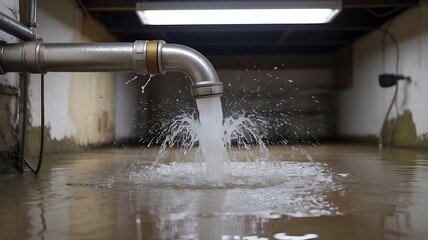
When a supply line bursts, a water heater fails, or a severe indoor leak floods a room, every second matters. Knowing how to immediately cut off the incoming water supply to your Houston property can prevent thousands of dollars in structural and flooring damage. Unlike minor fixture shut-offs located directly beneath sinks or behind toilets, the main water shut-off stops the flow for the entire building. If you are facing an active emergency, do not search for tools; act quickly using your hands or a basic wrench if the valve type requires it.
In many residential and commercial buildings across the region, water enters through a primary service line running from the street meter toward the front or side exterior wall. If you locate this valve before an emergency strikes, you will avoid scrambling through overgrown landscaping, mud, or standing water during a crisis. Below, you will learn how to locate, identify, and safely operate the main water supply valves common to properties in the area.
Where to Look for Your Main Water Control Valve
Plumbing configurations vary widely depending on the age of the structure, whether the property is a single-family house, a townhome, or a commercial building, and its specific layout. Finding the valve requires checking a few predictable zones:
- Exterior Foundation Walls: Walk the perimeter of your home, focusing heavily on the side facing the street or where the municipal utility connection enters. Look for a vertical pipe emerging from the ground or foundation wall with an inline valve before the pipe enters the interior space.
- Utility Closets and Garages: In many newer residential builds and multi-family units, the main shut-off is positioned just inside the garage wall, a utility closet, or a designated mechanical room near where the water line enters the living space.
- Meter Boxes Near the Property Boundary: If you cannot find an indoor or perimeter valve, the municipal water meter box located near the street or sidewalk often houses a utility-side shut-off.
Professional Insight: Many properties feature two valves: a municipal utility valve inside the street meter box and a private homeowner valve closer to the structure. Homeowners should ideally use their own private control valve for routine repairs and emergencies, reserving the utility meter valve for situations where the private valve fails or breaks.
Types of Main Shut-Off Valves and How They Operate
Different piping configurations and installation eras utilize distinct valve mechanisms. Knowing which type you have dictates how much force or rotation is required to stop the water.
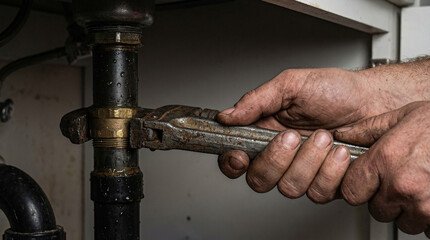
- Gate Valves: These feature a traditional round wheel handle. To close a gate valve, you must turn the wheel clockwise multiple times until it feels completely snug. Over decades, gate valves can corrode or develop mineral deposits, making them difficult to turn. Never force a stuck gate valve with extreme leverage, as snapping the internal brass stem will turn a minor maintenance task into an immediate emergency requiring a main line replacement.
- Ball Valves: Recognized by a flat lever handle rather than a round wheel, ball valves offer quick, reliable shut-off capability. When the handle aligns parallel with the pipe, the water is fully on. Turning the handle a quarter-turn so it sits perpendicular to the pipe closes the valve completely. Ball valves rarely stick unless subjected to severe mineral scaling or outdoor exposure.
Step-by-Step Guide to Shutting Off and Restoring Water
Executing a safe shut-off and subsequent restoration protects your fixtures, appliances, and water heater elements from pressure shocks and dry-firing.
- Locate the Valve: Confirm you are turning the main supply valve and not an isolated branch line feeding a single appliance.
- Turn Off the Valve: Rotate a wheel handle clockwise until tight, or pivot a lever handle a quarter-turn until perpendicular to the pipe.
- Open Lowest Fixtures: Go inside and open the lowest faucets in the house—typically ground-floor bathroom sinks, bathtubs, or outdoor hose bibs—to drain residual water and relieve trapped pressure from the piping system.
- Protect Your Water Heater: If you are shutting the water off for extended repairs, switch off the power supply to electric water heaters or turn gas control valves to the pilot setting. Draining lines while a water heater remains energized can burn out heating elements or warp internal tank linings.
- Restoring Water Supply: When repairs are finished, close all indoor faucets first. Slowly open the main water valve back up to allow lines to re-pressurize gradually. Opening a main valve too fast can send a violent water hammer shock through aging pipes, dislodging debris or bursting brittle joints.
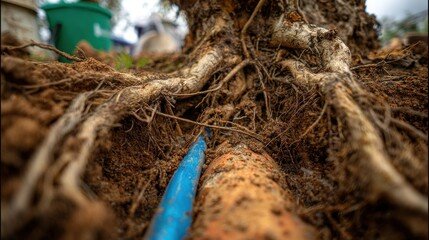
- Corroded Underground Meter Boxes: Accessing municipal valves in deep underground utility boxes filled with dirt, roots, or standing water often requires specialized meter keys and professional clearance.
- Valves Lacking Complete Shut-Off: If you turn the valve completely off, but faucets continue to trickle or run, the internal gate or ball seal has worn out and requires professional replacement.
- Pipe Material Compatibility: Older properties may feature galvanized steel or aging polybutylene lines, while newer builds utilize copper or PEX. Transitioning an old, corroded pipe to accept a modern, reliable ball valve requires specialized fittings and transition adapters.
- Emergency Dispatch Timing: Emergency calls requested late at night, during severe weather events, or on holidays naturally carry higher labor rates due to after-hours dispatching.
- Need for Municipal Coordination: If the private valve is broken and the main municipal valve at the street meter must be temporarily shut off by utility authorities to perform the repair, scheduling and administrative steps can affect the overall project scope.
- Will the technician install an additional secondary shut-off or pressure-reducing valve if pressure issues are present?
- Does the repair require shutting off the municipal water supply at the street meter?
- Are permits or utility notifications required for this specific section of the water service line?
- What warranty covers the new valve and the installation labor?
Safe DIY Maintenance Versus When to Call a Professional
Homeowners can safely perform routine tests by locating their main valve and gently turning it a few degrees once or twice a year to ensure it moves freely. However, certain conditions demand professional intervention:
- Seized or Leaking Valves: If a gate valve leaks from the packing nut or refuses to budge, forcing it can break the internal stem, leaving your water running continuously with no way to turn it off.
Factors That Influence Main Valve Repair or Replacement Cost
When a main shut-off valve fails and requires professional replacement, pricing varies based on specific site conditions rather than a flat industry rate. Understanding these drivers helps homeowners evaluate estimates objectively:
- Valve Accessibility: A valve located in an open, dry garage is straightforward to service. Conversely, a valve buried deep underground in a flooded utility box or encased inside a concrete slab wall requires excavation, specialized digging, or wall opening, which increases labor time.
Questions to Ask Before Approving Main Valve Repairs
If you hire a licensed professional to service or replace your main water control valve, asking targeted questions ensures high-quality workmanship:
- Is the replacement valve a full-port brass ball valve for maximum water flow durability?
Frequently Asked Questions
How can I find my main water shut-off valve if it is buried under dirt or grass?
Outdoor private control valves are frequently housed inside small plastic or concrete utility boxes flush with the ground. If overgrowth or soil has covered the box, use a metal detector or carefully probe the ground near the front foundation wall where the water line enters from the street.
What should I do if my main water shut-off valve is stuck?
Never apply excessive physical force or long wrench extensions to a stuck valve stem. Applying penetrating oil and gently rocking the handle back and forth can sometimes free mineral scale, but forcing a stuck valve usually strips or snaps the internal metal components, creating an immediate emergency.
Why does my water sputter and spit after I turn the main valve back on?
Trapped air pockets naturally accumulate in plumbing lines when the main supply is shut off and drained. This is entirely normal. Simply open several indoor sink faucets and let them run steadily for a minute or two until all trapped air clears and the water flows smoothly.
Should I turn off my main water supply when leaving home for a long vacation?
Yes. Shutting off the main water supply and draining the low points of your plumbing system is one of the most effective ways to prevent catastrophic water damage from unexpected supply line or appliance hose failures while you are away.
Can a failing main shut-off valve cause low water pressure throughout the house?
Yes. If a gate valve fails internally or a mineral buildup restricts the internal opening, the valve acts as a bottleneck, severely limiting the volume of water entering the property and resulting in low pressure at every fixture.