What to Do When Sewer Water Backs Up Into a Houston Home
Discover what causes sewer water to back up into a Houston home, immediate safety steps, diagnostic clues, repair options, and cost factors.

Immediate Emergency Response: Protecting Health and Property
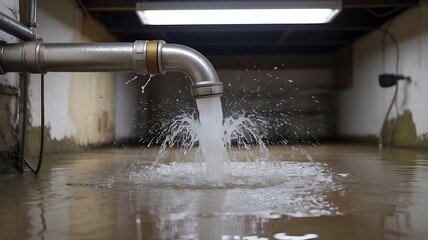
Finding raw sewage backing up through floor drains, shower pans, or toilets is a property owner's worst nightmare. When sewer water enters a Houston home, it presents an immediate biological hazard and a structural risk. The very first step is to stop using all plumbing fixtures immediately. Running a washing machine, flushing a toilet, or turning on a sink tap will only introduce more wastewater into an already overwhelmed or blocked drainage system, forcing more contaminated water up through the lowest openings in the house.
Next, cut off electricity to the affected area if the water level approaches floor outlets, baseboard heaters, or appliance power cords. Never wade into standing sewage without rubber boots, heavy-duty gloves, and eye protection. Raw sewage contains harmful bacteria, viruses, and pathogens that require careful handling. Move valuable belongings, area rugs, and electronics away from the water path, but prioritize personal safety over property salvage.
Understanding Why Sewer Water Backs Up
To understand why wastewater is entering living spaces, it helps to look at how home drainage works. Every sink, tub, shower, and toilet in a home connects to branch drain lines that feed into a main building drain. This main drain exits the house and transitions to the private sewer lateral, an underground pipe that carries wastewater out to the municipal sewer main in the street or an on-site septic system.
When a blockage or structural failure occurs in this downstream path, wastewater loses its exit route. As more water enters the system from higher elevations—such as a second-story bathroom—it fills the main drain stack and seeks the path of least resistance. In most cases, ground-level or basement drains act as relief valves, causing raw sewage to bubble up inside the structure.
Common Triggers in the Houston Environment
Several localized factors influence how and why sewer backups occur in the region:
- Heavy Rainfall and Storm Surges: Intense Gulf Coast downpours and tropical weather can overwhelm municipal storm and sanitary sewer systems. If municipal mains fill to capacity, water can push backward into private service lines.
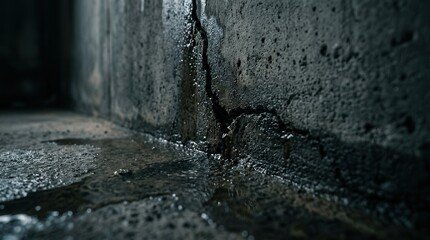
- Subsurface Movement: Expansive clay soils throughout the area experience severe moisture swings, shifting between extreme drought shrinkage and heavy saturation expansion. This ground movement can crack, offset, or belly underground sewer pipes.
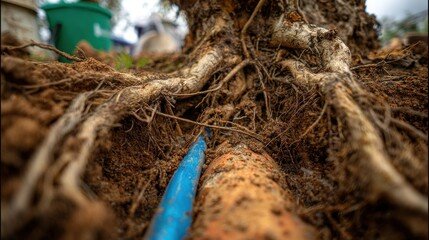
- Root Intrusion: Aggressive root systems from fast-growing trees and large shrubs constantly search for moisture, infiltrating minor pipe joints and creating dense webs that trap grease, paper, and waste.
Diagnostic Clues: Single Fixture Versus Whole-House Failure
One of the most critical diagnostic steps is determining whether the backup is isolated or system-wide. If only one toilet overflows when flushed, but all other plumbing drains normally, the issue is typically a localized obstruction within that specific fixture or its immediate branch line. A simple toilet auger or clearing of that branch resolves the problem.
However, if multiple fixtures are acting up simultaneously—such as a washing machine draining causing water to back up into the shower, or flushing a toilet causing gurgling in a bathtub—the restriction is almost certainly located in the main drain line or the outdoor sewer lateral. Another classic indicator of a main line blockage is multiple drains backing up at the lowest level of the home while upper-level fixtures drain sluggishly or not at all.
The Role of Weather and Municipal Overload
It is important to determine whether the backup correlates directly with heavy rainfall. If sewage only enters the home during major storms, the municipal main or city connection may be surcharging, forcing water backward past the home's backwater valve (if installed). If backups occur during dry weather under normal daily water usage, the problem usually stems from an internal pipe collapse, heavy root buildup, or a structural offset in the private sewer lateral.
Safe Homeowner Checks Versus High-Risk Actions
Homeowners often attempt DIY fixes that can worsen the situation if not approached carefully. Understanding what is safe to check can prevent personal injury and further property damage.
- Safe Check: Locate your property's cleanout ports—usually capped vertical pipes located near the exterior foundation or in the yard. If safe and accessible without digging, checking whether the outdoor cleanout cap is wet can indicate whether the blockage is inside the home or further out in the yard.
- Safe Action: Stop all water usage immediately and alert household members.
- High-Risk Action: Do not attempt to run a large motorized drain-cleaning snake down a main line cleanout unless you possess professional experience. Rotating heavy steel cables through compromised or root-damaged cast iron or clay pipes can punch a hole through the pipe wall, causing catastrophic subterranean leaks.
- High-Risk Action: Avoid chemical drain openers when a total backup is present. Pouring caustic chemicals into standing sewage creates a severe chemical splash hazard if a plunger or snake is subsequently used.
Professional Diagnosis and Repair Solutions
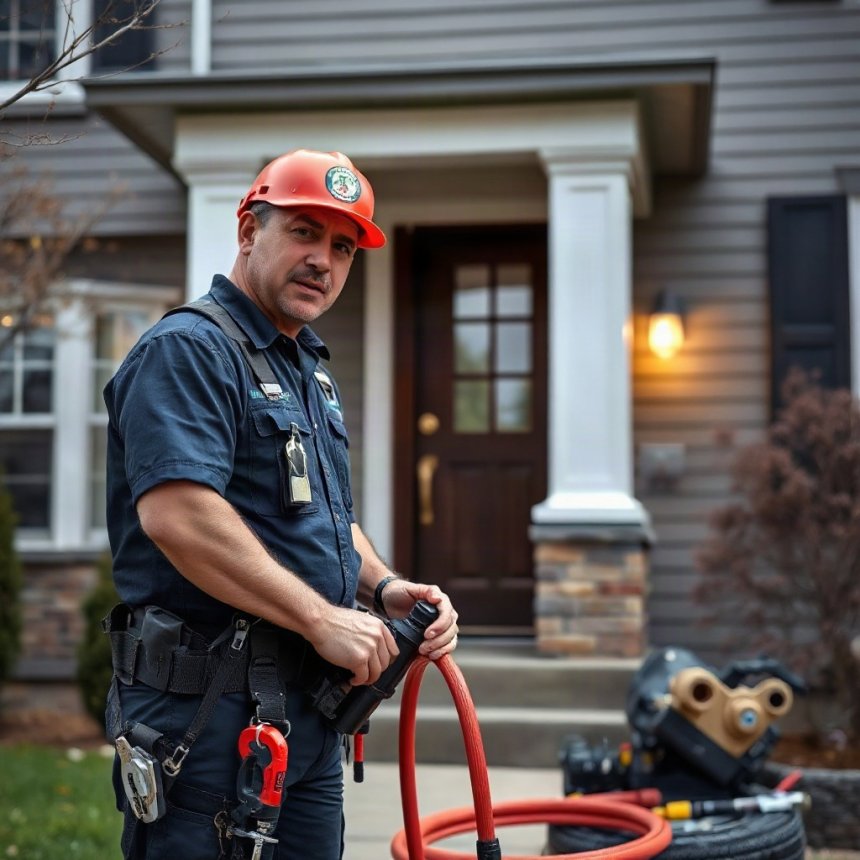
When a professional plumber arrives to handle a severe sewer backup, diagnosis usually begins with a high-definition sewer camera inspection. The technician inserts a lighted camera reel through an accessible cleanout to visually inspect the interior condition of the pipe. This reveals whether the backup is caused by soft obstructions (grease, wipes, sludge), root intrusion, structural cracks, pipe sagging (bellies), or a collapsed section.
Overview of Solution Options
Depending on what the camera reveals, several remediation paths exist:
- Mechanical Cleaning and Hydro Jetting: If the pipe is structurally sound but clogged with grease, scale, or roots, high-pressure water jetting or heavy-duty mechanical auguring restores full pipe diameter without excavation.
- Spot Repair: If a localized crack, root infiltration point, or break is identified in a specific section, a spot repair involves excavating only that exact area to replace the damaged pipe segment.
- Trenchless Pipe Lining: For aging lines with multiple cracks or widespread deterioration beneath landscaping or concrete slabs, epoxy pipe lining creates a seamless "pipe-within-a-pipe" structural liner without digging up the entire yard.
- Full Line Replacement: When pipes have completely collapsed, severe bellies prevent proper drainage, or material degradation is absolute, traditional excavation and full-length pipe replacement become necessary.
Factors That Influence Repair and Cleanup Costs
Property owners facing sewer backups frequently ask about pricing. Because every drainage system configuration is unique, plumbing professionals cannot quote standard flat rates without assessing the specific conditions. Several core factors dictate the overall investment required:
- Accessibility and Depth: A sewer lateral buried two feet deep in an open lawn is far simpler to access than a line running deep beneath a concrete patio, driveway, or interior flooring.
- Pipe Material and Condition: Working with fragile, aging cast-iron or brittle clay tile pipes requires specialized care compared to modern PVC piping.
- Extent of Damage: Clearing a temporary clog involves minor labor and equipment time, whereas trenchless lining or major excavation requires significant material, machinery, and labor resources.
- Environmental Remediation and Cleanup: Professional sewage remediation involves sanitization, drying, mold prevention, and disposal of contaminated porous materials. Extensive backups affecting finished drywall or flooring require specialized restoration services beyond basic plumbing repair.
When obtaining estimates for major sewer work, always request a breakdown distinguishing diagnostic fees, mechanical clearing costs, material expenses, and any required structural restoration or permitting fees.
Frequently Asked Questions
What should I do first if raw sewage is coming up through my drains?
Immediately stop running water or flushing any toilets in the house. Turn off electrical power to any rooms where water is pooling near outlets or appliances. Keep family members and pets away from the contaminated area and put on protective gear before attempting any emergency containment.
Does a sewer backup always mean my main line is broken?
No. While structural breaks, root intrusion, and pipe collapses are common causes, backups can also result from temporary accumulations of grease, flushable wipes, or feminine products. A professional camera inspection is required to determine the actual condition of the pipe walls.
Can heavy rain cause my sewer to back up even if my pipes are clear?
Yes. During severe storms, municipal sewer mains can become surcharged with stormwater runoff. If public infrastructure fills beyond capacity, wastewater can push backward through private service connections, particularly in low-lying areas or homes lacking functional backwater check valves.
Is it safe to use chemical drain cleaners during a sewer backup?
No. Chemical drain cleaners are ineffective against heavy main-line blockages and root intrusions. Furthermore, standing toxic water mixed with caustic chemicals creates severe splash and skin burn hazards if anyone attempts to plunge or snake the drain afterward.
How can I prevent future sewer backups in my home?
Avoid pouring cooking grease down kitchen drains and never flush paper towels, wipes, or sanitary items down toilets—even if labeled flushable. Scheduling routine preventative maintenance, such as annual drain cleaning or periodic camera inspections, helps catch root growth and scale buildup before a total blockage occurs.