Why Bathroom Drains Clog: Hair, Soap Scum & DIY Solutions
Learn how hair and soap buildup block bathroom drains in Houston homes, what safe DIY steps work, what makes clogs worse, and when to call a professional.


Understanding Bathroom Drain Clogs
When a bathroom sink, shower, or tub begins draining slowly, the culprit is almost always a combination of loose hair and organic soap residue. This mixture forms a stubborn, sticky mass inside the waste pipe. Unlike kitchen drains that primarily catch food grease and starches, bathroom fixtures deal with human hair, skin flakes, toothpaste, shaving cream, and bar soap constituents.
In homes across Houston—where hard water mineral content can vary and high indoor humidity keeps bathroom surfaces moist—this organic debris clings tenaciously to pipe walls. Understanding how these materials interact helps homeowners manage minor slow-downs safely before they turn into complete backups.
The Underlying Plumbing Mechanism
To understand why bathroom drains stop working, it helps to look at what happens beneath the fixture:
- The Trap (P-Trap): Directly beneath every sink and beneath or beside every tub and shower is a curved section of pipe called a P-trap. Its primary job is to hold standing water that blocks sewer gases from entering the home. Unfortunately, this low point also acts as a natural catch-all for heavy debris.
- The Sticky Foundation: Traditional bar soaps and liquid body washes contain animal fats or vegetable oils combined with lye or synthetic detergents. When these substances mix with minerals in the water, they form an insoluble residue known as soap scum.
- The Net Effect: As hair washes down the drain, it encounters this tacky soap film lining the P-trap and horizontal branch lines. The hair acts like a net, catching more soap, skin cells, and debris until a dense, felt-like plug forms.
Symptoms and Clues That Matter
Different symptoms point to different locations and severities of a bathroom clog:
Safe Homeowner Inspections and DIY Steps
Before reaching for harsh chemical drain cleaners, homeowners can safely perform several checks and basic clearing methods:
- Inspect the Stopper Mechanism: In bathroom sinks, unscrew or pull out the pop-up stopper assembly. Hair and lint wrap around the rocker arm just beneath the drain flange. Cleaning this mechanism manually often restores full flow instantly.
- Use a Plastic Drain Snake: Inexpensive plastic barbed hair-snakes can be safely inserted past the crossbars of a shower or sink drain. Twisting and pulling gently will often extract a surprising amount of trapped hair without damaging older pipes.
- Manual P-Trap Removal: For under-sink bathroom vanities, placing a bucket underneath and unscrewing the slip nuts on the P-trap allows a homeowner to physically empty and clean out the sludge and hair lodged inside the curve. Always wear gloves and eye protection.
- Did the camera inspection reveal any structural pipe damage, offsets, or bellies downstream?
- Is this a recurring issue restricted to one fixture, or is it affecting the main drainage stack?
- Does the proposed solution include mechanical cleaning, or is pipe repair necessary?
- What warranty or guarantee applies to the drain clearing service?
What DIY Actions Make Clogs Worse?
Well-intentioned homeowners frequently worsen bathroom plumbing issues through specific actions:
Hidden Causes Often Overlooked
Sometimes a recurring bathroom clog is not simply a matter of bad bathroom habits. Professional diagnosticians look for deeper structural issues:
Professional Diagnosis and Repair Options
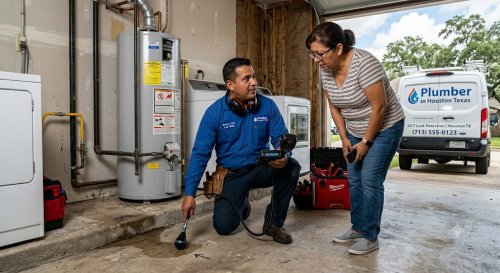
When DIY methods fail, a licensed plumber uses systematic diagnostic techniques rather than guesswork:
Repair Versus Replacement Considerations
For standard hair and soap clogs, cleaning is always the correct solution. However, if inspection reveals structural pipe failure, decisions change:
Factors That Affect Service Costs
Plumbing service pricing for bathroom drain blockages varies based on specific job parameters:
Questions to Ask Before Approving Major Drain Work
If a drain problem extends beyond a simple P-trap cleaning, property owners should ask qualified technicians:
Warning Signs Requiring Prompt Attention
Homeowners should act quickly if they notice multiple drains backing up simultaneously, sewage odors persisting near floor drains, wastewater pooling around basement or ground-floor fixtures, or gurgling sounds every time a nearby plumbing fixture is used. Ignoring these red flags can lead to unsanitary sewage overflows inside living spaces.
Frequently Asked Questions
Can boiling water dissolve hair clogs in a bathroom drain?
Boiling water can temporarily soften soap scum and grease, but it will not dissolve human hair. While flushing hot water down a sink occasionally helps rinse away loose foam, pouring boiling water into porcelain basins or older PVC pipes can also risk thermal shock, cracking the ceramic or softening plastic pipe joints.
Why does my shower drain clog repeatedly even after I clean the strainer?
A hair strainer only catches surface debris. Fine hair, dissolved body oils, and liquid soap bypass the strainer easily, accumulating inside the hidden P-trap and horizontal tailpiece below. Over time, this unseen reservoir builds its own blockage regardless of surface cleaning.
Are liquid drain cleaners safe for my bathroom pipes?
Most commercial chemical drain openers use strong acids or lye designed to generate heat to liquefy clogs. These chemicals can damage older metal pipes, degrade rubber washers, and pose severe chemical burn hazards to anyone servicing the plumbing later if the clog does not clear.
How can I prevent hair and soap buildup in my shower?
Installing a fine-mesh hair catcher over the drain opening and cleaning it after every few showers is the single most effective prevention step. Additionally, switching from heavy bar soaps (which contain high amounts of insoluble animal fats) to clear liquid body washes reduces the formation of sticky soap scum.
When does a slow bathroom drain become an emergency?
A slow drain becomes an emergency when water begins backing up into other fixtures, when raw sewage or foul odors enter living areas, or when wastewater refuses to recede entirely, threatening to overflow onto flooring and subfloors.