Burst Pipe in Cypress: What to Do Immediately
A burst pipe in Cypress can cause serious water damage. Learn what to do immediately, warning signs, repair costs, timelines, and prevention tips.
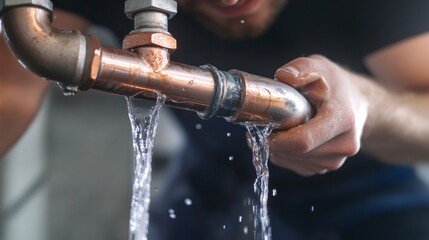
What Should You Do If a Pipe Bursts in Cypress?
A burst pipe can turn a normal day into a plumbing emergency within minutes.
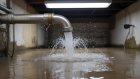
Water may begin pouring from a wall, ceiling, cabinet, attic, crawl space, utility room, or exposed plumbing connection. If the water continues flowing, flooring, drywall, insulation, cabinets, furniture, and electrical components may be damaged.
The first few minutes matter.
If you discover a burst pipe in your Cypress home, shut off the main water supply as soon as you can do so safely. The Texas Office of Public Insurance Counsel specifically advises homeowners with burst pipes to turn off the main water valve immediately, dry affected areas, document damage, and contact their insurer when appropriate.
Do not spend several minutes trying to determine exactly where the pipe failed before stopping the water.
Stop the water first. Diagnose the problem second.
What Is a Burst Pipe?
A burst pipe is a plumbing pipe that has cracked, split, separated, or otherwise failed enough to release water uncontrollably.
The failure can occur in:
- Supply pipes inside walls
- Ceiling plumbing
- Attic pipes
- Exterior plumbing
- Water heater connections
- Under-sink plumbing
- Main water lines
- Appliance supply lines
- Underground water pipes
A burst pipe is different from a small dripping leak.
A slow leak may produce gradual damage. A burst pipe can release a large amount of water in a short period.
That is why it should be treated as an emergency when the water cannot be quickly controlled.
Why Do Pipes Burst in Cypress Homes?
Many homeowners associate burst pipes with freezing weather.
Freezing is one possible cause, but it is not the only one.
Aging Pipes
Older plumbing can deteriorate over time.
Corrosion, mineral buildup, repeated pressure changes, and general material degradation can eventually weaken a pipe.
High Water Pressure
Excessive or poorly controlled water pressure can place additional stress on plumbing components.
High pressure does not automatically mean a pipe will burst, but persistent pressure problems should be investigated.
Freezing Weather
Although Cypress generally has a warmer climate than many northern parts of the country, significant winter weather can still create plumbing risks.
When water freezes inside a pipe, it expands. That expansion can place pressure on the pipe and contribute to failure.
Corrosion
Metal pipes and fittings can deteriorate with age.
Corrosion may weaken the pipe wall or connections until a failure occurs.
Poor Installation
Improperly supported pipes, unsuitable materials, defective connections, or poor workmanship can contribute to premature plumbing failures.
Physical Damage
Construction, remodeling, landscaping, or accidental impact can damage exposed or underground plumbing.
Frozen or Damaged Exterior Plumbing
Outdoor hose bibs and exposed plumbing can be vulnerable during unusually cold weather.
Weak Fittings and Connections
Sometimes the pipe itself is not the problem.
A failed valve, connector, fitting, or appliance supply line can release water just as quickly as a pipe rupture.
Signs a Pipe May Be About to Fail
Not every burst occurs without warning.
Watch for:
- Damp spots on walls
- Water stains on ceilings
- Bubbling paint
- Soft drywall
- Rust around pipe connections
- Corroded fittings
- Unexplained dripping sounds
- Sudden pressure changes
- Repeated small leaks
- Unusually high water bills
- Visible cracks in exposed plumbing
- Persistent moisture under cabinets
A small leak should not automatically be treated as harmless.
The Texas Office of Public Insurance Counsel recommends repairing minor leaks before they cause extensive damage.
What to Do Immediately After a Pipe Bursts
Step 1: Shut Off the Main Water Supply
This is the most important step.
Locate the home's main water shutoff valve and close it if you can do so safely.
The valve may be located near where the water service enters the property or near the water meter, although exact locations vary.
If the valve is seized, damaged, or unsafe to operate, do not force it.
Step 2: Open a Faucet Carefully
After the main supply is shut off, opening an appropriate faucet can help relieve remaining pressure in the plumbing system.
Do not use fixtures if doing so could worsen flooding or contamination.
Step 3: Turn Off Electricity Only If It Is Safe
If water has reached electrical outlets, appliances, electrical panels, or wiring, do not walk through standing water to reach an electrical switch or panel.
Electrical and water hazards can be extremely dangerous.
When electrical safety is uncertain, leave the affected area and contact the appropriate emergency service.
Step 4: Move Valuables
If it can be done safely, move furniture, electronics, documents, rugs, and other valuables away from the affected area.
Do not risk injury simply to save belongings.
Step 5: Contain Water
Use towels, buckets, wet vacuums, or other safe methods to control small amounts of water.
Do not attempt cleanup if the water may be contaminated by sewage or another hazardous source.
Step 6: Document the Damage
Take photographs and video before extensive cleanup whenever practical.
Document:
- The burst pipe
- Water damage
- Flooring
- Walls
- Ceiling
- Furniture
- Appliances
- Personal property
The Texas Office of Public Insurance Counsel recommends keeping receipts and documenting damage and communications when dealing with property damage claims.
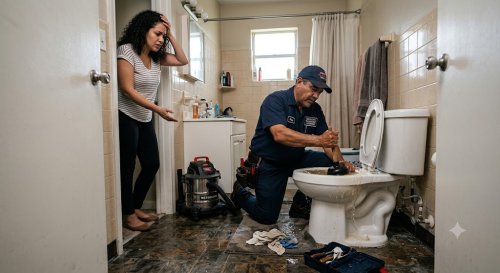
Step 7: Call a Qualified Emergency Plumber
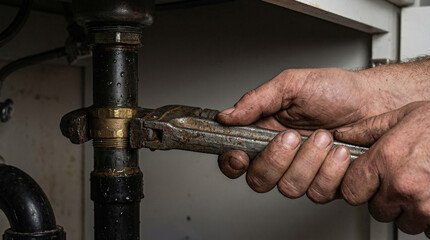
Once the water is controlled, the plumbing failure still needs to be identified and repaired.
A professional can determine whether the problem is a localized pipe failure or evidence of broader plumbing deterioration.
Is a Burst Pipe an Emergency?
Yes, an actively flowing burst pipe should generally be treated as an urgent plumbing problem.
The situation becomes especially serious when:
- Water is entering walls
- The ceiling is leaking
- Water is reaching electrical equipment
- The main shutoff does not stop the leak
- Water is flooding the home
- The pipe is located inside a wall or ceiling
- A major water line has failed
- The property is experiencing extensive water damage
Even after the water is shut off, hidden moisture can remain inside walls, flooring, insulation, and cabinets.
That means stopping the leak is only the first stage of the response.
Can You Fix a Burst Pipe Yourself?
A homeowner can often safely shut off the water and take basic damage-control steps.
The actual pipe repair is different.
DIY repair becomes risky when it involves:
- Opening walls
- Cutting pipe
- Working inside ceilings
- Electrical hazards
- Gas-related equipment
- Underground plumbing
- Pressurized main water lines
- Hidden plumbing connections
- Extensive water damage
A temporary clamp or patch may sometimes stop a small leak, but it should not automatically be considered a permanent repair.
If a pipe has burst because of corrosion, pressure, freezing, or material deterioration, replacing only the visible failed portion may not address the broader issue.
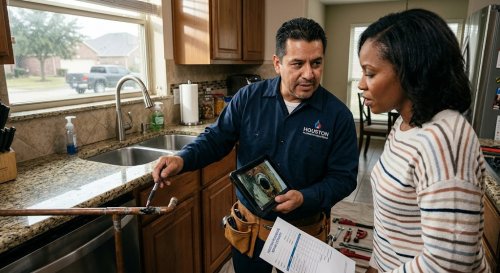
How Does a Professional Find the Burst Pipe?
Finding the exact failure can be difficult when plumbing is hidden.
A professional typically begins with the visible symptoms and works backward.
Step 1: Shut Off and Stabilize the Water
The technician confirms that water flow is controlled.
Step 2: Inspect the Visible Plumbing
Exposed pipes, fittings, valves, appliances, and connections are checked.
Step 3: Check Pressure
Pressure testing may help determine whether the system is still losing water.
Step 4: Inspect Hidden Areas
The plumber may examine walls, ceilings, cabinets, attics, crawl spaces, or other locations.
Step 5: Use Leak Detection Equipment
Depending on the situation, specialized equipment may help locate hidden leaks without unnecessary demolition.
Step 6: Identify the Cause
The plumber determines whether the failure resulted from:
- Corrosion
- Freezing
- Excessive pressure
- Material deterioration
- A failed fitting
- Physical damage
- Installation problems
Step 7: Recommend the Appropriate Repair
The goal is to repair the actual failure while considering the condition of surrounding plumbing.
What Tools Do Emergency Plumbers Use?
Professional burst-pipe diagnosis may involve:
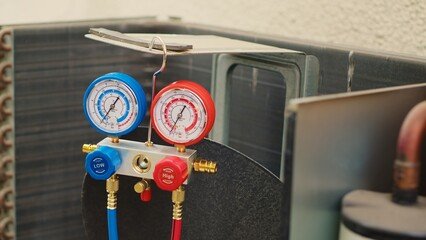
- Pressure gauges
- Electronic leak detection equipment
- Acoustic leak detection
- Moisture meters
- Thermal imaging equipment
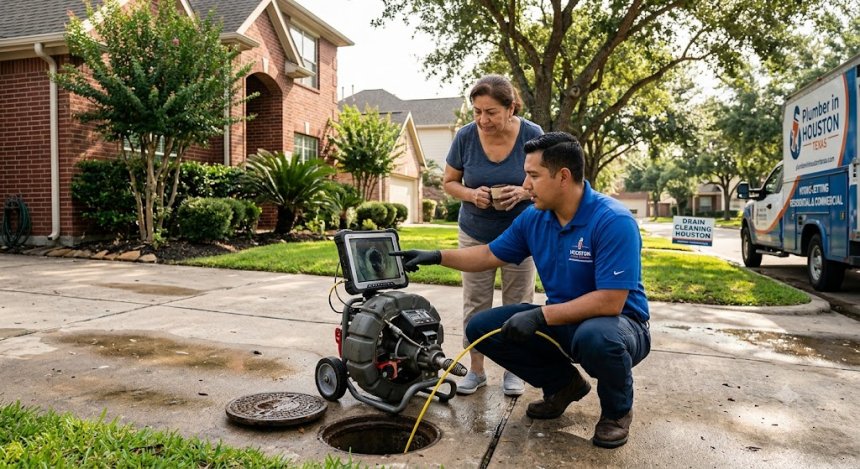
- Pipe inspection cameras
- Pipe cutters
- Press tools
- Specialized repair fittings
- Water extraction equipment when available
Not every situation requires every tool.
The equipment used depends on where the pipe is located and what caused the failure.
What Happens During a Professional Burst Pipe Repair?
A typical repair may involve several stages.
Inspection
The plumber identifies the affected plumbing system.
Diagnosis
The cause and location of the failure are determined.
Estimate
The plumber explains the repair scope and expected costs before major work begins, when circumstances allow.
Water Shutoff
The affected system is isolated.
Pipe Repair or Replacement
The damaged section is removed and replaced or repaired using appropriate materials.
Pressure Testing
The system is tested to verify that the repair is holding.
Leak Inspection
The surrounding plumbing is checked for additional leaks.
Cleanup
The work area is cleaned as part of the plumbing repair, while extensive structural drying may require a separate water-mitigation professional.
Maintenance Advice
The plumber may explain how to reduce the likelihood of another failure.
How Long Does Burst Pipe Repair Take?
There is no universal repair time.
Simple Exposed Pipe
An accessible pipe or fitting may be repaired relatively quickly.
Pipe Inside a Wall
Accessing hidden plumbing can increase the time required.
Ceiling or Attic Plumbing
The repair may require additional access and inspection.
Underground Water Line
Locating and excavating an underground failure can take considerably longer.
Major Repiping
If the burst reveals widespread deterioration, replacing multiple sections or repiping can turn a small emergency into a larger project.
Factors affecting repair time include:
- Location of the failure
- Pipe material
- Accessibility
- Extent of damage
- Availability of parts
- Water damage
- Required permits
- Structural access
- Whether additional failures are discovered
How Much Does Burst Pipe Repair Cost?
Avoid anyone who gives you a guaranteed price without seeing the problem.
Burst-pipe repair costs can vary significantly depending on:
- Diagnostic fees
- Emergency service
- Labor
- Pipe material
- Location of the pipe
- Wall or ceiling access
- Excavation
- Replacement fittings
- Amount of pipe requiring replacement
- Water-damage mitigation
- Drywall or flooring restoration
- Permits, when applicable
- Whether additional plumbing damage is discovered
A visible fitting replacement is very different from replacing a concealed pipe inside a wall.
Also remember that plumbing repair and property restoration are not necessarily the same service.
The plumbing contractor may repair the failed pipe, while a separate restoration company may handle extensive drying, moisture remediation, or reconstruction.
Repair or Repiping: Which Is Better?
A single failed section does not automatically mean your home needs repiping.
Repair May Make Sense When:
- The plumbing is generally in good condition
- One fitting or section failed
- The pipe material remains reliable
- There is no evidence of widespread deterioration
- The failure has an identifiable localized cause
Repiping May Be Worth Discussing When:
- Multiple pipes have failed
- Corrosion is widespread
- Leaks keep occurring
- The plumbing system is significantly deteriorated
- Repairs are becoming frequent
- The existing material has reached the end of its practical service life
A professional inspection should support the recommendation.
Hidden Truths Homeowners Should Know
The Burst Pipe May Not Be the Only Problem
One failure can reveal other weakened sections.
Stopping the Leak Does Not Stop Water Damage
Moisture trapped inside walls or flooring can continue causing damage after the visible leak has stopped.
A Temporary Patch Is Not Always a Permanent Solution
A temporary repair may restore service but leave an underlying deterioration problem.
Insurance Coverage Depends on the Policy
Do not assume every burst pipe or resulting loss is covered.
The Texas Office of Public Insurance Counsel recommends contacting your insurer promptly, documenting damage, and confirming whether you can proceed with repairs, disposal, or other work that may affect a claim.
Mold Can Become a Concern
Wet building materials that are not properly dried can create conditions favorable to mold growth.
One Frozen Pipe Can Reveal Other Vulnerable Areas
After an unusually cold event, inspect other exposed plumbing rather than assuming one repair solved the entire risk.
A High Water Bill Can Be an Early Warning
A hidden leak may continue wasting water even when the visible emergency has been repaired.
15 Common Mistakes Homeowners Make
- Waiting before shutting off the water — Every additional minute can increase water loss.
- Searching for the exact leak before shutting off the supply — Stop the water first.
- Forcing a stuck shutoff valve — A damaged valve can create another plumbing emergency.
- Walking through standing water near electrical equipment — Electrical safety comes first.
- Ignoring ceiling water stains — A hidden pipe leak can cause significant structural damage.
- Using a temporary patch indefinitely — Temporary repairs should not replace proper diagnosis.
- Repairing only the visible drip — The actual failure may extend beyond what can be seen.
- Ignoring other old pipes — Multiple failures may indicate broader deterioration.
- Failing to document damage — Photos and receipts can be important records.
- Assuming insurance automatically covers everything — Coverage depends on the policy and circumstances.
- Opening walls unnecessarily — Proper leak detection may reduce unnecessary demolition.
- Choosing a plumber only because of the lowest quote — Compare scope, materials, diagnosis, and workmanship.
- Ignoring water damage after the plumbing repair — Wet building materials may need professional drying.
- Attempting complex repairs without experience — Pressurized plumbing can cause additional flooding.
- Failing to investigate why the pipe failed — Understanding the cause can help prevent another emergency.
Burst Pipe Prevention Tips for Cypress Homeowners
- Know where your main water shutoff valve is.
- Make sure the valve remains accessible.
- Learn how to operate the valve before an emergency.
- Inspect exposed pipes regularly.
- Watch for corrosion.
- Repair small leaks promptly.
- Monitor unexplained water-bill increases.
- Investigate sudden changes in water pressure.
- Have excessive water pressure evaluated.
- Insulate vulnerable pipes before unusually cold weather.
- Protect exposed exterior plumbing during freezes.
- Disconnect and protect outdoor hoses when appropriate.
- Open appropriate cabinet doors during severe cold when recommended.
- Keep vulnerable plumbing areas adequately heated.
- Know where plumbing runs through exterior walls.
- Avoid damaging pipes during remodeling.
- Use proper materials for plumbing repairs.
- Have recurring leaks professionally evaluated.
- Keep records of plumbing repairs.
- Consider a plumbing inspection if your home has aging pipes.
What Should You Do During Freezing Weather?
Although Cypress does not experience northern-style winters every year, severe cold events can still create plumbing problems.
Before a major freeze:
- Protect exposed plumbing.
- Disconnect vulnerable outdoor hoses.
- Know how to shut off the main water supply.
- Keep interior spaces containing plumbing adequately heated.
- Protect pipes in vulnerable areas.
- Monitor unusual pressure or water-flow changes.
If a pipe freezes, do not assume that no water is flowing means there is no danger.
A frozen section can later thaw and reveal a split pipe.
When Should You Call an Emergency Plumber?
Call an emergency plumber when:
- A pipe is actively spraying water
- Water cannot be stopped
- The main water valve is not working
- Water is entering walls or ceilings
- A major water line has ruptured
- The home is flooding
- Water is near electrical equipment
- A ceiling is sagging from accumulated water
- Multiple plumbing fixtures suddenly lose pressure
- A major underground leak is suspected
If water has reached electrical equipment, prioritize safety rather than attempting to access the plumbing yourself.
People Also Ask About Burst Pipes
What should I do first if a pipe bursts?
Shut off the main water supply immediately if you can do so safely. Then protect people and valuables from the affected area, document damage, and call a qualified plumber.
How do I shut off water to my house?
Locate the property's main water shutoff valve and close it. The exact location varies by home. If the valve is inaccessible or damaged, contact a qualified plumber or the applicable water utility.
Why do pipes burst?
Common causes include freezing, corrosion, aging materials, high water pressure, physical damage, poor installation, and deteriorated fittings.
Can a burst pipe cause structural damage?
Yes. Water can damage drywall, flooring, ceilings, cabinets, insulation, framing, and other building materials.
How quickly can a burst pipe cause damage?
Damage can begin immediately when a large amount of water is released. The severity depends on the pipe size, flow rate, location, building materials, and how quickly the water is stopped.
Can I repair a burst pipe myself?
Basic emergency steps such as shutting off the water may be appropriate for homeowners. Permanent repairs involving hidden, pressurized, underground, or complex plumbing should generally be handled by a qualified professional.
How do plumbers find a pipe leak inside a wall?
Professionals may use pressure testing, moisture meters, acoustic equipment, thermal imaging, or other leak-detection methods depending on the situation.
Does homeowners insurance cover burst pipe damage?
It depends on your specific policy, the cause of the failure, and the circumstances. Contact your insurer promptly and ask what documentation and repair steps are required.
Should I replace all my pipes after one bursts?
Not necessarily. A single failure may be isolated. However, multiple leaks, significant corrosion, or widespread deterioration may justify discussing repiping.
How long does burst pipe repair take?
A simple exposed-pipe repair may be relatively quick. Hidden, underground, or extensive failures can take much longer because of access, diagnosis, repair, testing, and restoration.
Can freezing weather cause pipes to burst in Cypress?
Yes. Severe cold can freeze water inside plumbing, creating pressure that can contribute to pipe failure.
What should I do if my ceiling is leaking from a burst pipe?
Shut off the water if safe, stay away from electrical hazards, move valuables if possible, and call a qualified emergency plumber. If the ceiling is sagging significantly, avoid standing beneath it.
Why Choose a Qualified Emergency Plumber in Cypress?
During a burst-pipe emergency, the priority is to stop the water and identify the actual cause.
When choosing a plumbing professional serving Cypress, Harris County, and the northwest Houston area, consider:
- Appropriate Texas licensing and qualifications
- Emergency plumbing availability
- Experience with burst pipes
- Leak-detection capabilities
- Experience with hidden plumbing
- Clear estimates
- Transparent repair recommendations
- Appropriate repair materials
- Pressure-testing procedures
- Knowledge of applicable local requirements
- Clear warranty information when applicable
Do not approve extensive repiping solely because one pipe has failed. Ask the plumber to explain the condition of the surrounding plumbing and why a larger repair is being recommended.
Emergency Plumbing Help for Cypress Homeowners
A burst pipe is not a plumbing problem to put on tomorrow's to-do list.
The priority is to stop the water, protect people from electrical and structural hazards, document the damage, and arrange professional repair.
For homeowners in Cypress, Harris County, Tomball, Katy, Jersey Village, Copperfield, Fairfield, Bridgeland, and nearby Houston communities, contact Emergency Plumbing in Houston Heights at 844-833-2093.
Whether the problem involves a visible burst, hidden wall leak, damaged water line, or another serious plumbing failure, a professional inspection can help determine the safest and most appropriate repair.
Call 844-833-2093 for emergency plumbing assistance, a burst-pipe inspection, or a repair estimate.