How to Troubleshoot Common Plumbing Problems in a Houston Home
Learn how to troubleshoot common plumbing problems in Houston homes, from sluggish drains to hidden leaks, with practical diagnostic tips and safe DIY guidance.

Diagnostic Approach to Residential Plumbing Issues
Encountering a plumbing issue in a residential property requires a methodical diagnostic approach rather than guesswork. When water pools where it should not, drains empty sluggishly, or water pressure drops unexpectedly, the visible symptom is rarely the entire story. Homeowners often jump straight to aggressive fixes, such as chemical drain cleaners or major pipe dismantling, before determining the scope of the problem. Effective troubleshooting starts by categorizing whether an issue is isolated to a single fixture, connected to a localized branch line, or stemming from a whole-property system failure.
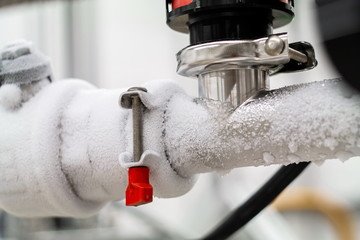
In the Houston area, residential plumbing systems face unique environmental stresses, including high humidity, prolonged summer heat, shifting expansive clay soils, and occasional hard freezes. Understanding how these regional factors interact with indoor plumbing helps homeowners separate minor maintenance tasks from complex structural repairs. By observing specific clues—such as whether multiple fixtures back up simultaneously, how water pressure fluctuates across the house, or where moisture accumulates—you can systematically narrow down the root cause.
Symptom-Based Troubleshooting for Common Household Issues
Different plumbing anomalies present distinct behavioral patterns. Recognizing these patterns allows you to determine whether a situation is safe to handle independently or requires professional intervention.
1. Slow Draining Sinks and Showers
When a sink or shower drains slowly, the obstruction is typically located near the fixture trap or the immediate branch line. Hair, soap scum, and grease accumulation inside P-traps account for the vast majority of slow kitchen and bathroom drains.
- Safe DIY Check: Inspect the pop-up stopper or removable strainer basket. Accumulated hair and debris can often be cleared manually without using tools. Avoid pouring chemical drain openers into standing water, as these caustic formulas can splash back, damage fixture finishes, or degrade older metal and plastic piping.
Hidden Insight: If clearing the P-trap does not restore normal flow, or if multiple fixtures on the same wall drain slowly together, the restriction is likely farther downstream in the main vent or branch line. A plunger that yields only temporary improvement usually indicates that a deeper obstruction is breaking apart and reforming rather than being fully removed.
2. Unexplained Water Pressure Drops
A sudden or gradual decrease in water pressure requires checking whether the issue affects the entire property or just one specific location.
- Diagnostic Clue: Unscrew the aerator screen from the affected faucet. Mineral scaling, fine sand, or sediment particles frequently clog these small mesh screens, restricting water flow while leaving pressure normal at other taps. If multiple fixtures experience low pressure, inspect the main water shutoff valve to ensure it is fully open. If the pressure remains low property-wide, a failing pressure reducing valve (PRV) or a supply-side restriction may be the underlying cause.
3. Running or Cycling Toilets
A toilet that intermittently cycles on and off without anyone flushing it is wasting water quietly. This behavior occurs when water leaks from the tank into the bowl, causing the water level to drop until the fill valve activates.
- Safe DIY Check: Perform a dye test by placing a few drops of food coloring into the toilet tank without flushing. If colored water appears in the bowl within ten to fifteen minutes, the flapper valve at the bottom of the tank is failing to seal properly against its seat. Replacing a standard flapper or adjusting the chain tension is a low-risk maintenance task.
4. Musty Odors and Unexplained Moisture
Moisture issues near baseboards, walls, or flooring require careful observation to distinguish between plumbing leaks, high indoor humidity condensation, and exterior water intrusion.
Hidden Insight: In humid climates, uninsulated cold water supply lines running through walls or ceilings can sweat heavily, dripping condensation that mimics a slow pipe leak. Conversely, a warm, damp spot on a concrete slab floor can indicate a pressurized under-slab supply leak. Monitoring the household water meter while all indoor fixtures are completely shut off can confirm whether water is continuously flowing through the system.
When DIY Intervention Becomes Risky
While basic visual inspections and minor maintenance tasks are well within a homeowner's capability, certain actions carry significant risks of worsening property damage.
- Never force mechanical drain snakes or augers past tight bends in delicate or aging fixture traps, as improper technique can crack porcelain fixtures or puncture corroded metallic pipes.
- Never attempt to repair pressurized gas supply lines or main water service lines without proper specialized tools and qualifications.
- Avoid over-tightening threaded plumbing connections on supply lines, sink tailpieces, or valve nuts, as excessive torque can snap plastic fittings or warp rubber compression washers, causing sudden leaks.
Professional Diagnostic Methods
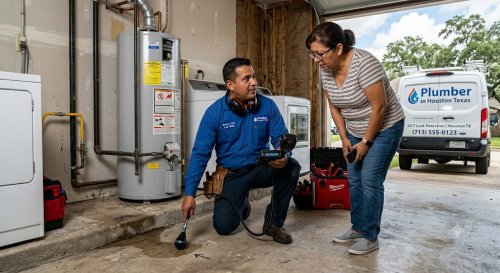
When troubleshooting reaches the limit of homeowner tools, professional plumbers utilize specialized equipment to evaluate hidden infrastructure without unnecessary demolition.
| Diagnostic Tool | Primary Purpose | What It Reveals |
|---|---|---|
| Electronic Leak Detection | Locating concealed pipe breaches | Acoustic and thermal signatures pinpoints subsurface water leaks beneath floors or inside walls. |
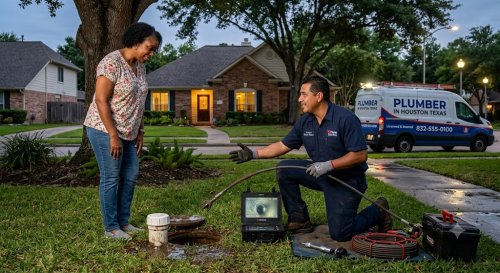
| Sewer Camera Inspection | Evaluating interior pipe condition | Visual assessment of cracks, root intrusion, offset joints, and structural pipe collapses. |
| Pressure Testing | Checking supply-line integrity | Measures whether a closed plumbing system can hold stable water or air pressure over time. |
Camera inspections require careful interpretation. A minor buildup of scale or a slight joint offset does not automatically mean a pipe requires full replacement; experienced technicians evaluate structural integrity, slope, and functionality before recommending a specific repair strategy.
Repair Versus Replacement Considerations
Deciding whether to repair a failing plumbing component or replace it entirely depends on age, material quality, and extent of damage.
Repair makes practical sense when an isolated component fails—such as replacing a worn toilet fill valve, swapping out a leaking faucet cartridge, or patching a short section of accessible PEX or copper supply piping. Repairs are cost-effective when the surrounding infrastructure remains in healthy, stable condition.
Replacement becomes necessary when materials have reached the end of their design life, such as heavily corroded galvanized steel pipes prone to recurring pinhole leaks, or cast-iron drain lines experiencing extensive interior scaling and structural wall failure. Partial patchwork on severely degraded piping systems often leads to repeated failures just beyond the previous repair zone.
Understanding Plumbing Service Cost Factors
Plumbing service pricing varies based on specific job characteristics rather than standardized flat rates. Understanding these variables helps homeowners evaluate repair estimates effectively.
- Accessibility: Pipes located in open crawl spaces or unfinished utility rooms require less labor to access than lines buried beneath concrete slabs or concealed inside finished drywall.
- Material and Complexity: Working with older threaded steel, rigid cast iron, or specialized commercial piping demands different tools and labor time compared to modern PEX or PVC systems.
- Emergency Timing: After-hours emergency dispatching involves immediate resource mobilization, which affects overall service pricing.
- Restoration Requirements: Drywall cutting, concrete trenching, or landscaping disruption required to access underground or in-wall infrastructure adds secondary labor considerations beyond the direct plumbing repair.
A detailed plumbing estimate should itemize diagnostic fees, labor time, specific replacement materials, and any necessary restoration scope.
Frequently Asked Questions
Why does my sink drain gurgle when the washing machine empties?
A gurgling sound indicates that trapped air is escaping through the plumbing trap as a heavy volume of water rushes past. This often points to a partially restricted vent stack or a shared branch drain that is venting improperly through adjacent fixtures.
Can hard water damage my home plumbing over time?
Yes. Mineral buildup—primarily calcium and magnesium—gradually accumulates inside water heater tanks, supply lines, and faucet aerators. Over many years, this scaling narrows interior pipe diameters and reduces flow efficiency throughout the property.
What should I do immediately if a pipe bursts inside the wall?
Locate and close the main water shutoff valve for the home immediately to stop the flow of water. Open nearby lower-level faucets to drain remaining pressure from the system, remove valuable items from the affected area, and call a qualified professional.
Why does my toilet run continuously only at random intervals?
This typically indicates a slow leak through a warped or deteriorating tank flapper. As water slowly leaks out of the tank into the bowl, the water level drops until the fill valve kicks on to replenish it, creating an intermittent cycling pattern.
How can I tell if a water bill increase is caused by a leak or higher usage?
Check the water meter dial while all faucets, showers, and appliances are completely turned off. If the low-flow indicator triangle or sweep hand is moving, water is actively escaping somewhere in the system, strongly pointing toward a hidden leak.